Notes from behind the curtain
Event planning tips, and a look at how a show comes together — for California event planners, HR teams, and anyone who wants their next company event to be the one people talk about.
Recent posts
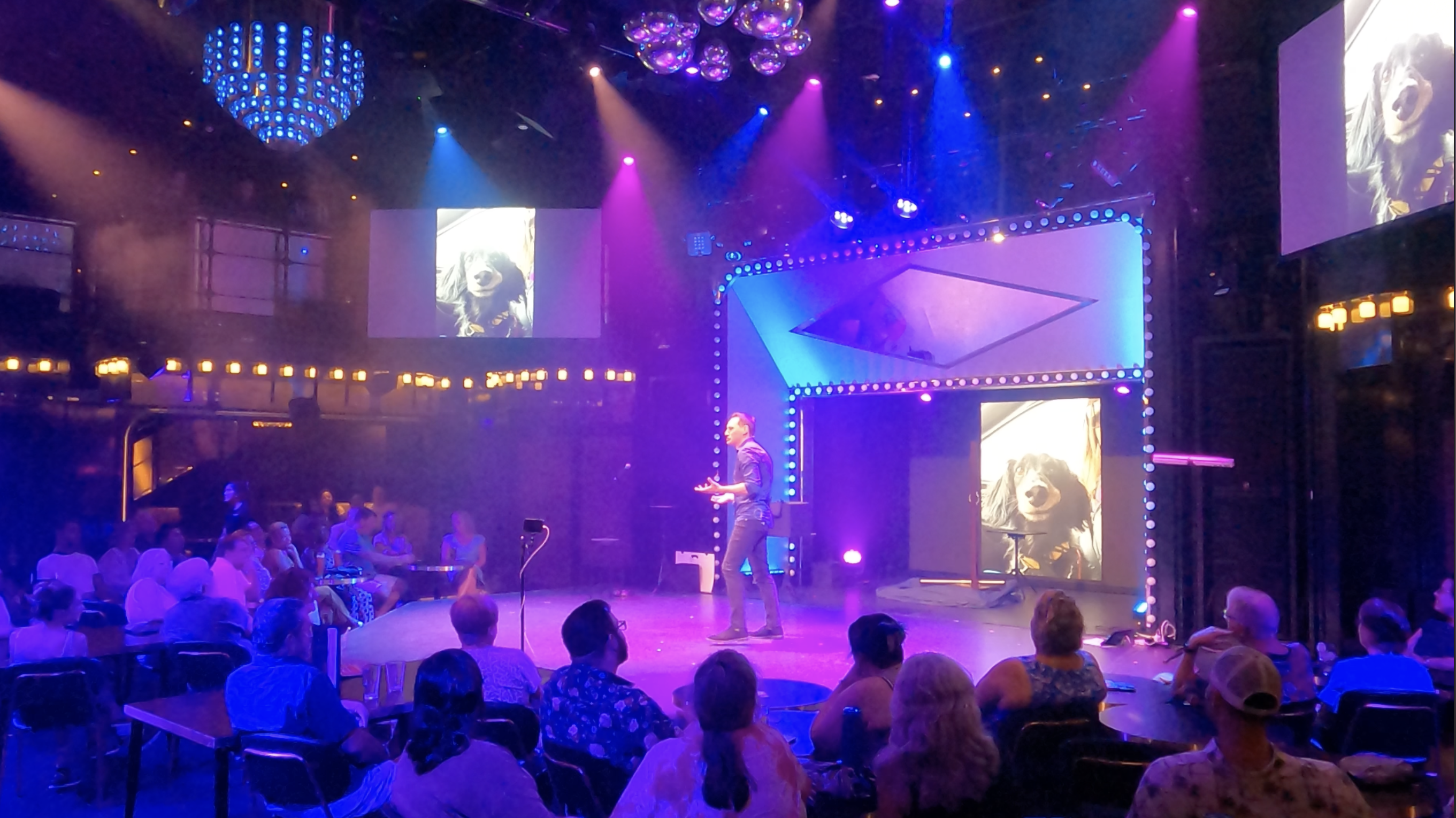
Where entertainment fits in a gala run of show
Placing the headline act so it warms the room without competing with awards or speeches.
Read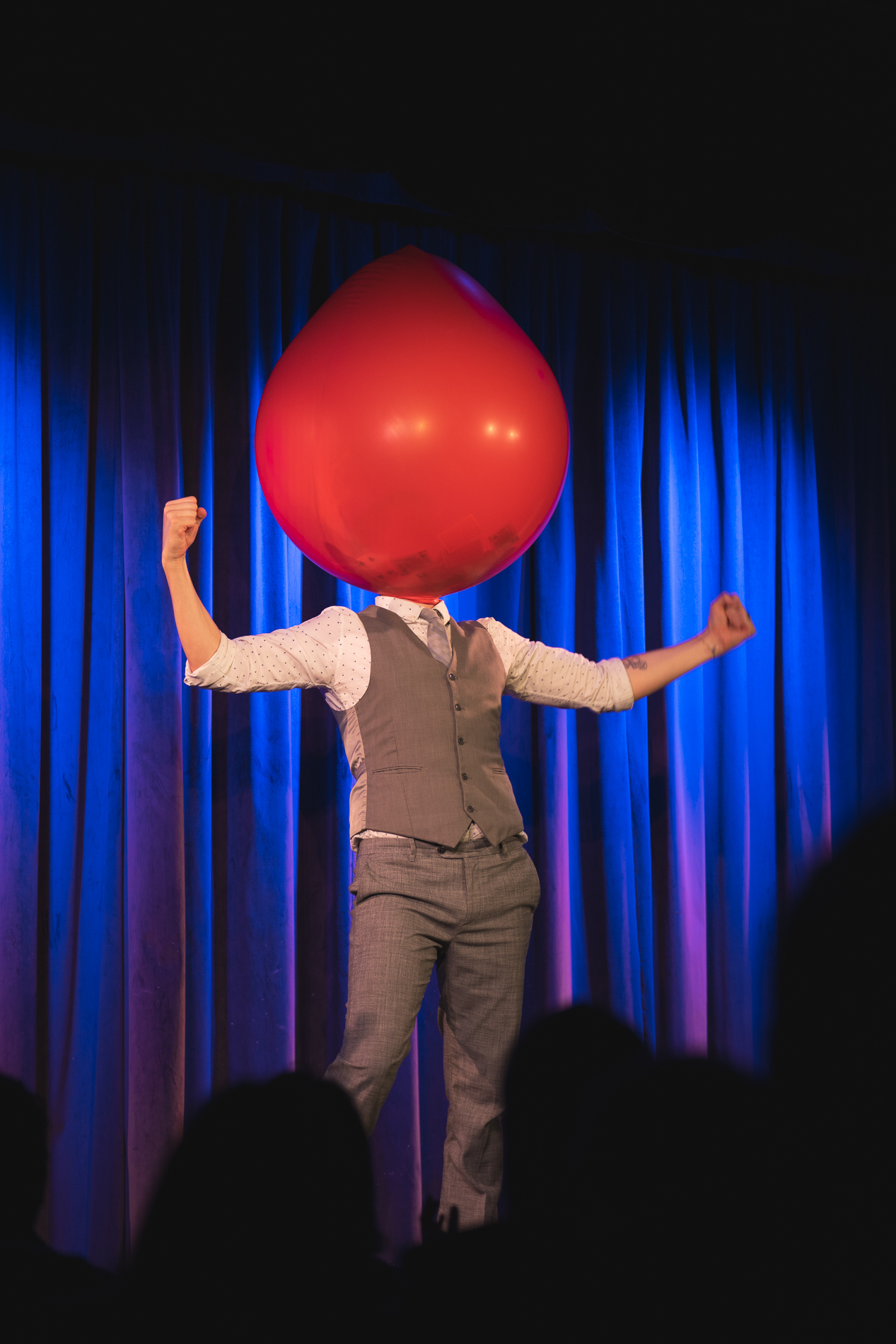
What a night at the Magic Castle is really like
A look inside Hollywood's private clubhouse for magicians, from the green room to the stage.
Read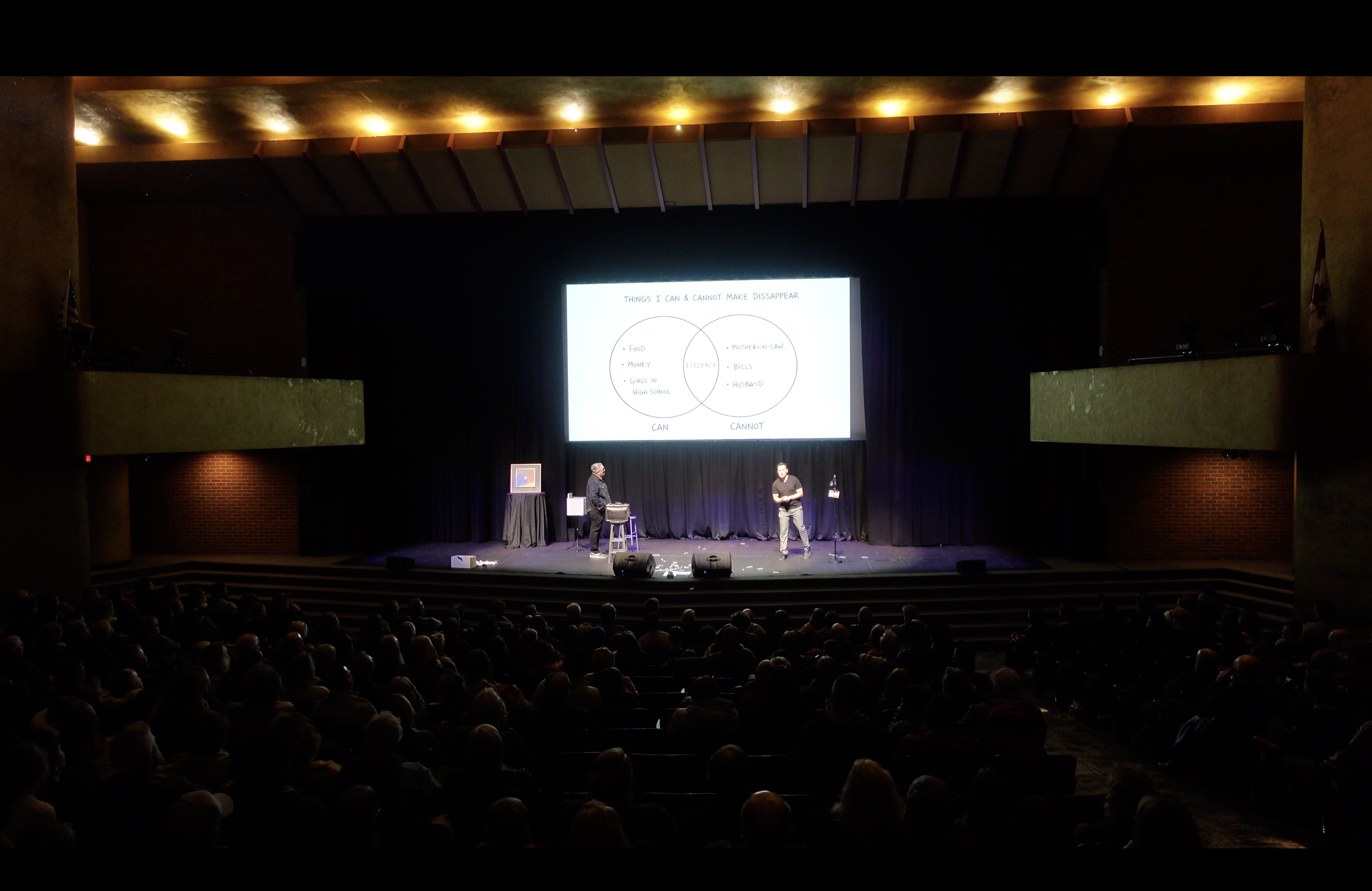
From Fool Us to your ballroom: what TV taught me about live rooms
Why a trick that works on camera needs a different shape in front of 800 people.
Read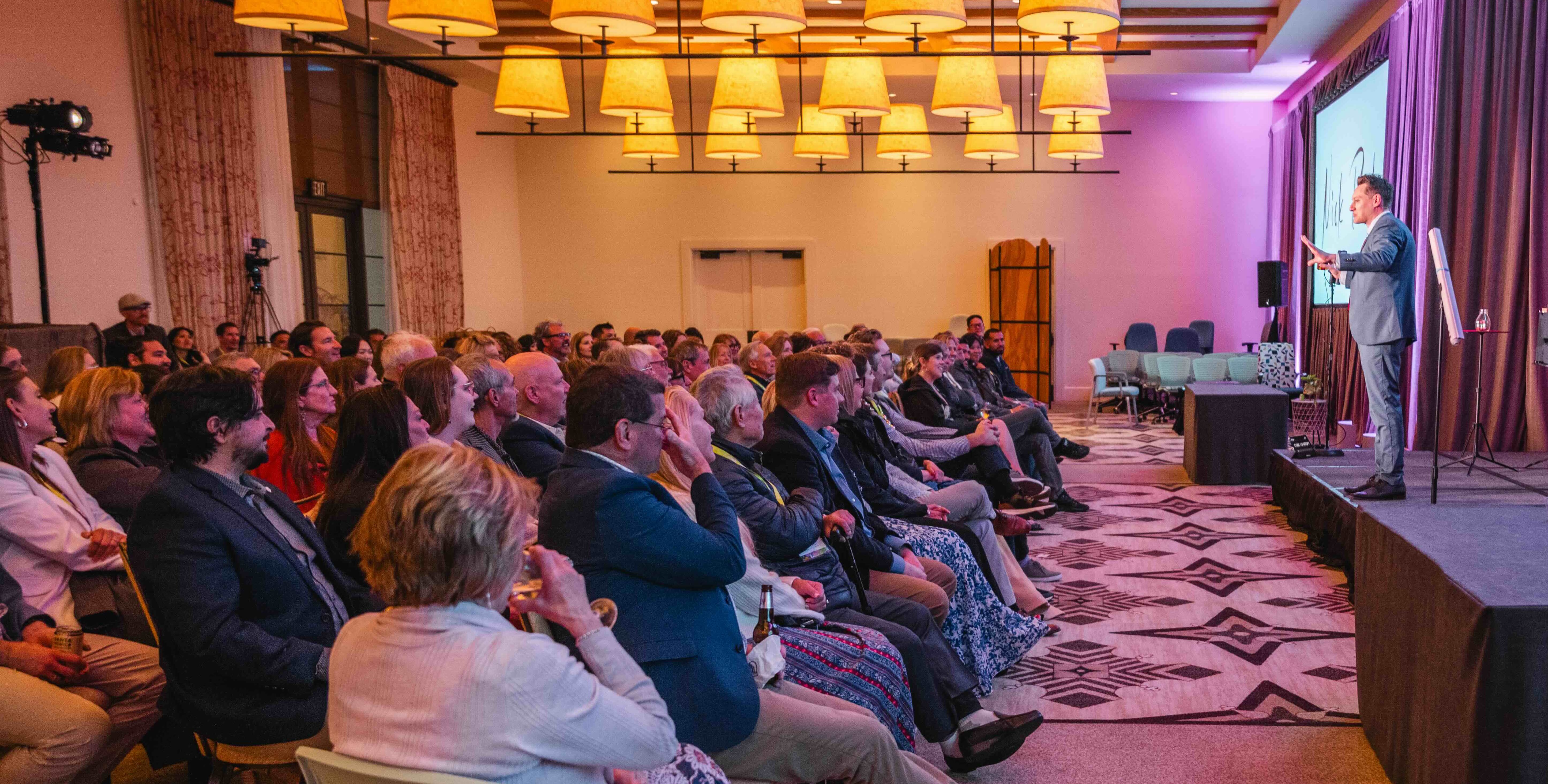
Clean, inclusive, and still funny: entertaining a mixed corporate crowd
How to pick entertainment that works for clients, executives, and families in one room.
Read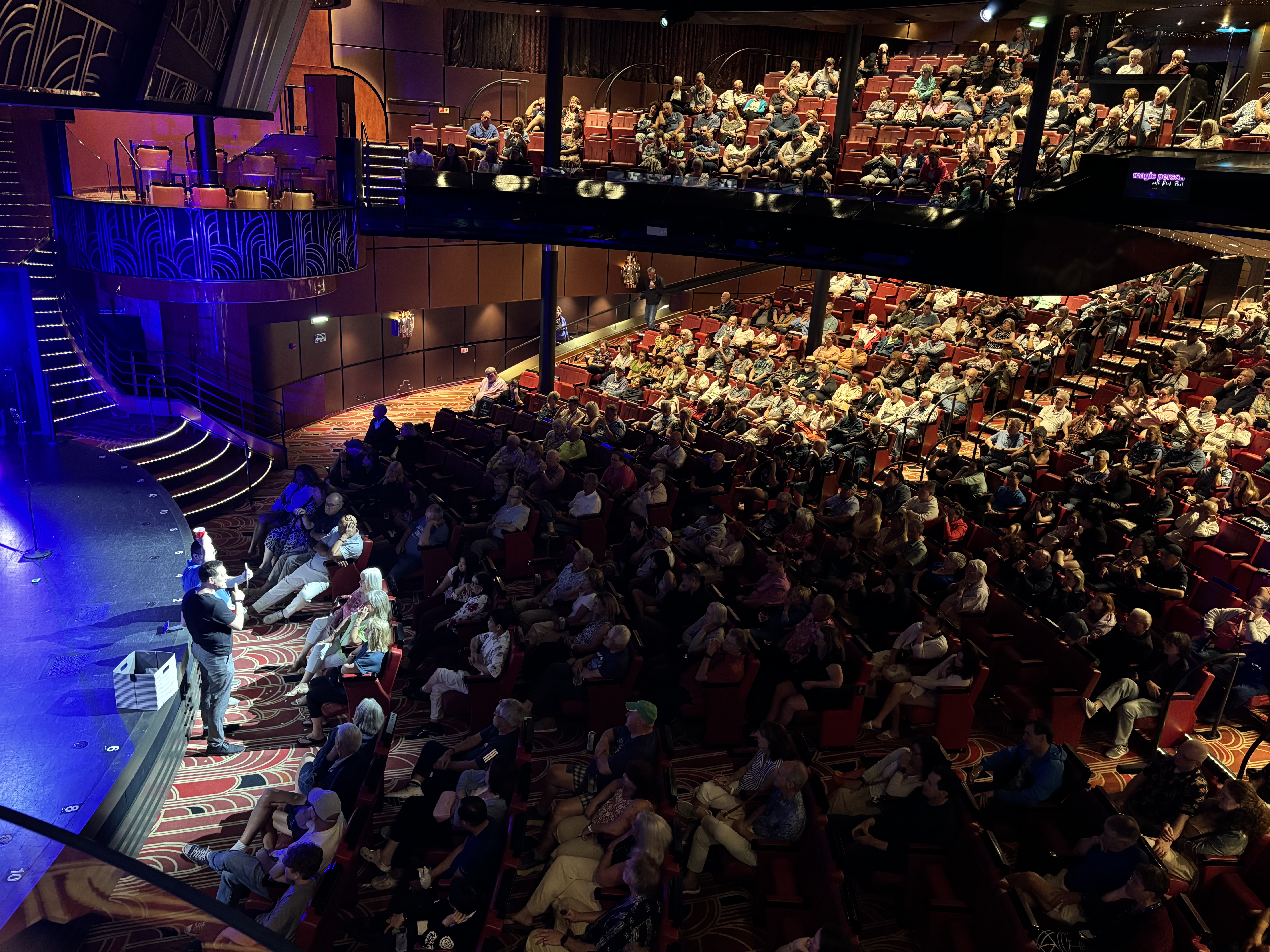
The quiet work before the show starts
Sound checks, walk-throughs, and learning the room before the first guest arrives.
ReadNo posts in this category yet.
How to plan a California holiday party people actually show up for
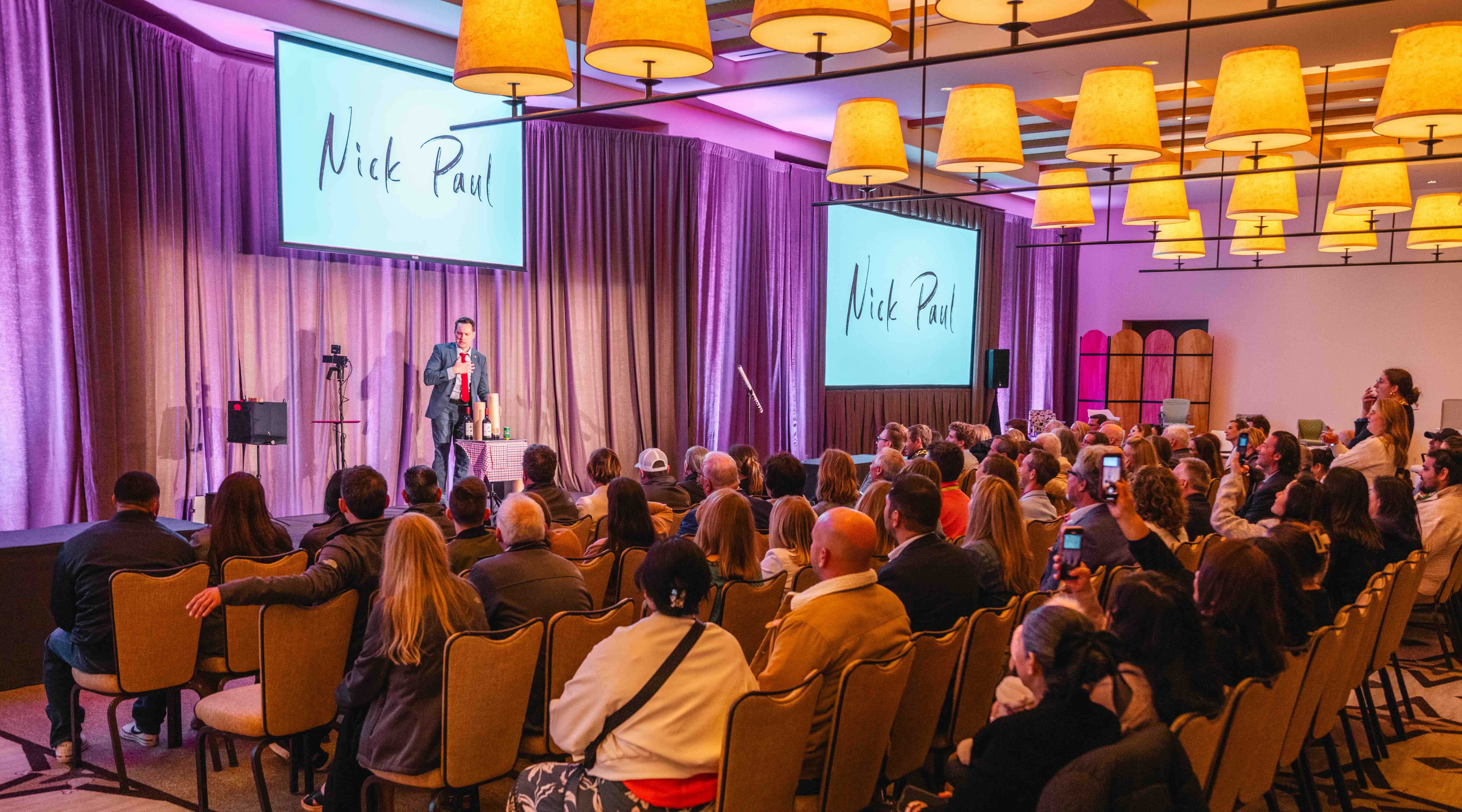
The best holiday party is the one people stay for. After 11 seasons of December shows across California, the parties that fill the room and keep it full tend to get the same handful of decisions right.
Book earlier than feels necessary
In California, the first two weekends of December go first. Venues in Los Angeles, Orange County, and the Bay Area often book those Fridays and Saturdays by late summer, and the entertainment calendar fills right behind them. If you are planning in October, look hard at a Thursday, a mid-December weekday, or a January "new year kickoff" instead. Attendance is often better, and so is availability.
Pick a date people can actually attend
Your team is juggling school events, family travel, and other invitations. A short survey with three date options takes ten minutes and saves you from a half-empty ballroom. Avoid the weekend right before a major holiday, when travel plans start.
Give the night a centerpiece
A playlist and a photo booth fill time. They do not give people a reason to arrive on time or stay past dessert. A headline moment, scheduled and announced, gives the evening a shape. Put it on the invitation so guests know there is something worth being in the room for.
Get the timing right
The most common mistake is starting the show too late. By 9:30 p.m., the room has thinned and energy is spent. A simple structure that works:
- Arrival and drinks
- Dinner served
- Brief welcome from leadership, under five minutes
- Entertainment while guests are still seated, usually 30 to 45 minutes after dinner starts
- Dessert, open bar, and dancing
The show lands best when everyone is fed, seated, and facing the same direction.
Plan for the whole room
A company holiday party includes interns, executives, spouses, and sometimes kids. Choose entertainment that is clean and inclusive by design, not trimmed down at the last minute. Everyone should be able to laugh without checking who is sitting next to them.
Keep logistics simple
Confirm the venue's sound system, a wireless microphone, and a clear sightline to the stage. Ask your entertainer for a short tech sheet early so your venue coordinator has it weeks ahead, not the afternoon of.
The short version
Book early, survey your team on dates, schedule the show right after dinner, and choose entertainment that works for every guest. Planning a California holiday party this season? Send your date, venue, and headcount and we will get back to you with availability.
Where entertainment fits in a gala run of show
A gala has a lot of moving parts: cocktails, dinner service, speeches, awards, a paddle raise, and a band waiting in the wings. Entertainment works best when it is placed to support the program, not compete with it.
Start with the goal of the night
An awards gala exists to honor people. A fundraiser exists to raise money. Entertainment should serve that goal. Before choosing a slot, ask what the room needs at that moment: energy, a reset, or a reason to stay seated.
Three slots that work
After dinner, before the program. Guests have eaten, the room is settled, and attention is high. A 20- to 30-minute set here warms the room so your speakers and honorees walk out to an audience that is already engaged.
Between program segments. A long awards block can stall. A short set in the middle resets attention and keeps the second half from feeling like a marathon. Keep it tight, 10 to 15 minutes.
Right before the ask. At a fundraiser, an audience that has just laughed together is warmer and more generous. A set placed just before the live auction or paddle raise can set up your auctioneer well. Coordinate the handoff so the energy carries straight into the ask.
Slots to avoid
- During dinner service. Clattering plates and servers crossing sightlines work against any performer.
- After the program ends. Once awards wrap, guests head for the bar, the dance floor, or the valet.
- Directly after an emotional moment. Give a tribute or a personal story room to land before shifting tone.
Make the handoffs clean
The transitions decide whether a run of show feels smooth or clunky. Agree in advance on who introduces the entertainer, the exact cue to start, and who takes the stage afterward. A one-page run of show with times, names, and cues shared with the emcee, the AV team, and the entertainer prevents most problems.
Respect the program
Good gala entertainment knows it is not the headline. It should be flexible on timing, able to tighten if speeches run long, and ready to hand the room back with energy higher than it found it.
Planning a gala, awards night, or fundraiser in California? Get in touch to talk through where a set fits in your program.
What a night at the Magic Castle is really like
Up a winding driveway in the Hollywood Hills sits a Victorian mansion that has been the clubhouse of the Academy of Magical Arts since 1963. The Magic Castle is private, which is a big part of its mystique. Most people only get in as the guest of a member or a performer. As a resident headliner, I get to see it from both sides.
Getting in
The front lobby looks like a wall of bookshelves with no obvious way through. Guests have to say the magic words to an owl on the shelf before the wall slides open. It never gets old watching a CEO in a suit talk to a wooden owl.
The dress code is formal, and it is enforced. That is part of the experience: everyone arrives dressed for a night out, and the building rewards the effort.
Inside
The Castle is a maze of bars, hallways, and small theaters, each with its own feel. Close-up rooms seat a few dozen people around a table. Parlor rooms are a step up in size. The largest stage holds a full audience for big illusions. Over one evening, guests wander between shows, so a single night can include several very different performers.
There is also a piano that plays requests with no one sitting at it. I am not going to explain that one.
Why it matters to performers
Performing at the Castle means performing for an audience that has seen a lot of magic, often in the same evening. Many members are magicians themselves. It is one of the best places to test new material, because if something works there, it will work anywhere. Much of what I bring to corporate events was sharpened in those rooms.
Can you go?
You need an invitation from a member or performer to visit. If you are planning a corporate event in Los Angeles, the Castle can also be a memorable setting for a client dinner or team outing. Check with the Castle for current private event options.
From Fool Us to your ballroom: what TV taught me about live rooms
Performing on Penn & Teller: Fool Us and appearing on shows like CONAN and Netflix's Magic for Humans taught me a lot. The biggest lesson was how different television is from a live room, and why a trick that works on camera often needs a new shape in front of 800 people.
The camera sees everything; the back row sees almost nothing
On TV, a close-up lens puts every viewer six inches from my hands. In a ballroom, the person at table 40 is a long way from the stage. Live material has to read from a distance: bigger moments, clearer reactions, and audience volunteers who become the audience's eyes.
TV is edited; live is not
A television segment can be shot more than once and trimmed to the best few minutes. A live show gets one take. That means pacing has to be built in, not added later. It also means the unplanned moments, a volunteer's surprising answer or a heckle from the CFO's table, become some of the best parts of the night.
On TV, the audience is at home
The studio audience matters, but the real audience is watching on a couch. In a ballroom, the audience knows each other. They work together, they have inside jokes, and they will talk about the show on Monday. The best corporate shows use that: the people on stage are coworkers, and the laughs come from people seeing their colleagues in a new light.
What carries over
Some lessons from TV transfer directly:
- Respect the clock. TV segments run to the second. Corporate programs do too.
- Every moment needs a reason. If a beat does not add to the story, it gets cut.
- Clarity beats complexity. The strongest effects are easy to describe afterward.
If you saw a clip online and wondered how it would play at your event, the answer is that it will be adapted for your room, your audience, and your program. Watch more on YouTube or check your date.
Clean, inclusive, and still funny: entertaining a mixed corporate crowd
A corporate audience is one of the most varied rooms there is. In a single ballroom you might have a new hire, the CEO, a key client, someone's spouse, and a twelve-year-old who came along for the holiday party. The goal is a show every one of them enjoys, without anyone wincing.
Clean is the starting point, not the ceiling
Some people hear "clean comedy" and expect something tame. It does not have to be. The sharpest humor usually comes from observation, timing, and surprise, not shock. When a show is written clean from the start, nothing gets watered down at the last minute, and the jokes still have teeth.
Who is not the joke
In a corporate room, a few rules keep everyone comfortable:
- No punching down. Jokes about someone's appearance, background, or identity have no place at a company event.
- Volunteers are the heroes. Anyone who comes on stage should leave looking good, and feeling good about it.
- Leadership can be teased, gently. A light ribbing of the boss, with their buy-in, gets a huge laugh. Embarrassing them does not.
- Skip the hot-button topics. Politics and religion divide a room fast.
Read the room, live
Even with a clean script, every audience is different. Good corporate entertainers adjust in real time, watching who is leaning in, who is shy, and which tables need a little more attention. Building humor around what is happening in the room, rather than reciting a fixed set, keeps the show feeling personal.
What planners can do
- Share context in advance. Industry, audience mix, any recent company news, and topics to avoid.
- Flag sensitivities. A recent layoff, a merger, or a difficult year changes what is funny.
- Ask for references. An entertainer who regularly works corporate rooms can point you to past clients.
The result
When it is done well, nobody notices the show is clean. They just notice they laughed, that their colleagues laughed, and that they had a good time together. That is the point of a company event.
Questions about fitting a show to your audience? Reach out.
The quiet work before the show starts
Guests see the show. They do not see the hours before it, which is where most of a good night is decided. Here is what happens before the first guest walks in.
Weeks out: learning the event
The show starts with a conversation with the planner. Who is in the room? What does the company do? Is this a celebration after a great year, or a team that needs a lift? Are there names, inside jokes, or recent wins worth knowing? That context shapes which pieces go in the show and how they are framed.
The venue gets a short tech sheet listing sound needs, stage requirements, and timing, so nobody is surprised the day of.
Arrival: walking the room
I arrive well before showtime. The first stop is the room itself:
- Sightlines. Where are the pillars, the bars, and the tables with a bad view?
- The stage. Size, height, steps for volunteers, and where the light lands.
- The path. How volunteers get up and back, and how I get on and off cleanly.
Sound check
The microphone is the most important prop in the show. A quick check with the AV team confirms levels, the wireless handheld, and any music or video cues. If the room has a dead spot, it is better to find it at 5 p.m. than at 8.
Syncing with the program
A final pass with the planner or emcee locks the run of show: who gives the introduction, the exact cue, and what happens the moment the show ends. If dinner is running late or speeches will go long, this is when the set gets adjusted.
Why it matters
All of this is invisible when it works. The audience just sees a show that feels effortless and made for them. That feeling is built in the quiet hours before anyone takes a seat.
Planning an event in California? Send your date, venue, and headcount to get started.
Bring the show to your next event
Send your date, venue, and rough headcount. You'll get availability and pricing back — no drawn-out sales process.